
Zwierzakowy.pl – Sklep dla zwierząt

le bandit slot — ranking automatów 2026

le bandit slot w polskich kasynach online to prawdziwy fenomen ostatnich lat. Wygodny dostęp z poziomu przeglądarki lub aplikacji sprawia, że gracze mogą cieszyć się ulubionymi slotami w dowolnym miejscu i czasie.

jak grać w total casino — program lojalnościowy | total casino

Eksperci zwracają uwagę na rosnące znaczenie odpowiedzialnej gry oraz transparentnych zasad. Zanim jednak rozpoczniesz swoją przygodę, zapoznaj się z opiniami na temat le bandit automat, aby wybrać sprawdzone i bezpieczne rozwiązanie.

Zobacz też:

le bandit slot zasady — pierwszy krok do wygranej

The concept of purchasing a bonus is a nuanced transaction that extends far beyond a simple exchange of currency for an additional benefit. In the realm of consumer economics, a bonus is typically a value-added incentive designed to entice a purchase, reward loyalty, or differentiate a product from its competitors. When a consumer decides to buy a bonus, they are not merely acquiring an extra item or service; they are engaging in a calculated decision that weighs the perceived utility of the bonus against its cost, often within the context of a larger primary purchase. This phenomenon is particularly prevalent in industries such as retail, where buy-one-get-one-free offers, gift-with-purchase promotions, and loyalty point multipliers are common tactics. For instance, a cosmetics brand might offer a deluxe sample kit as a bonus for spending over a certain threshold, and the consumer who chooses to buy that bonus—either by increasing their cart size or paying a nominal fee—is making a strategic choice to maximize their overall satisfaction. The psychology behind this is fascinating: the bonus creates a sense of urgency and exclusivity, tapping into the fear of missing out (FOMO) and the desire for a good deal. Behavioral economists have studied how the framing of a bonus can alter its perceived value; a bonus that is presented as a limited-time offer or a member-exclusive perk often carries more weight than a perpetual add-on. Moreover, the decision to buy a bonus involves a trade-off analysis, where the consumer must consider opportunity costs—what else could that money buy? For example, a gamer might purchase a season pass that includes bonus in-game content, weighing the hours of entertainment against the price, while a frequent flyer might buy a lounge access bonus that enhances their travel experience. In the digital age, buying bonuses has become even more complex, with microtransactions in mobile games, premium subscription tiers with bonus features, and crowdfunding campaigns that offer tiered bonuses as rewards. Each of these scenarios requires a different evaluation framework. In gaming, a bonus might be a rare character skin that has no gameplay advantage but offers social status, whereas in finance, a bonus could be a higher interest rate on a savings account that provides tangible monetary returns. The act of buying a bonus also has implications for the seller; it allows businesses to segment their customer base, identify high-value consumers, and cultivate brand advocates. From a legal standpoint, buying a bonus often involves terms and conditions that govern its use, expiration, and transferability, adding a layer of complexity that consumers must navigate. For instance, a bonus offered as a gift card might have a limited validity period, or a bonus subscription might auto-renew at full price unless canceled. Understanding these nuances is crucial for consumers to avoid disappointment or hidden costs. Furthermore, the cultural context influences how bonuses are perceived; in some societies, haggling for a bonus is customary, while in others, it is seen as pushy. The rise of e-commerce has also introduced dynamic pricing and personalized bonuses, where the same product might have a different bonus based on the user’s browsing history or purchase patterns. This personalization can be both beneficial and concerning, as it raises questions about data privacy and fairness. Ultimately, buying a bonus is a microcosm of consumer behavior, reflecting broader trends in marketing, psychology, and technology. It is not just about the extra item; it is about the relationship between the buyer and the seller, the perceived value, and the emotional satisfaction of getting more for one’s money. Whether it is a free shipping threshold, a buy-one-get-one-half-off deal, or a bonus reward point multiplier, the decision to buy a bonus is a deliberate act that can enhance the overall purchase experience. However, it also requires a level of mindfulness, as not all bonuses are created equal. Some bonuses may be low-quality or irrelevant, leading to buyer’s remorse. Therefore, savvy consumers often research the bonus’s actual value, read reviews, and compare alternatives before committing. In conclusion, buying a bonus is a multifaceted decision that involves financial reasoning, psychological triggers, and strategic planning. It is a practice that is deeply embedded in modern commerce, and its significance cannot be overstated. As markets evolve and new forms of bonuses emerge—such as exclusive access to beta tests, limited-edition merchandise, or carbon offset credits—the concept of buying a bonus will continue to adapt, offering both opportunities and challenges for consumers and businesses alike. The next time you consider buying a bonus, remember that you are participating in a sophisticated dance of value creation and consumption, where every extra perk has a story, a cost, and a potential payoff that goes beyond the surface. To illustrate, consider a coffee shop that offers a loyalty card where the tenth purchase is free; the consumer who buys that bonus by purchasing nine coffees is not just paying for caffeine but investing in a future reward that fosters habit formation and brand attachment. Similarly, in the travel industry, a hotel might offer a room upgrade as a bonus for booking directly, and the traveler who buys that bonus by forgoing third-party discounts is choosing a more personalized experience over immediate savings. In the software sector, users often buy premium tiers that include bonus storage or advanced analytics, and the decision hinges on whether the extra features justify the recurring cost. Even in everyday grocery shopping, a buy-one-get-one-free bonus on a perishable item might lead to waste if the consumer cannot consume it in time, highlighting the need for practical consideration. The interplay between bonus design and consumer decision-making is also influenced by social proof; when a bonus is perceived as popular or endorsed by influencers, its appeal increases, as seen in limited-edition sneaker drops that include exclusive accessories. Additionally, the timing of a bonus can affect its attractiveness; a bonus offered during a holiday season or a major sale event may seem more valuable due to the festive context. From a business perspective, offering a bonus that is too generous might erode profit margins, while a bonus that is too modest might fail to motivate purchases, so companies must strike a delicate balance. The effectiveness of a bonus also depends on how clearly it is communicated; a poorly explained bonus can lead to confusion and distrust, while a transparent and straightforward bonus can enhance customer satisfaction. Furthermore, the rise of subscription boxes has popularized the concept of surprise bonuses, where the thrill of an unexpected extra item can boost customer retention and word-of-mouth marketing. In the realm of online gaming, loot boxes and seasonal battle passes offer random bonuses that tap into the excitement of chance, but they also raise ethical concerns about gambling-like mechanics. As consumers become more sophisticated, they increasingly demand that bonuses align with their values, such as sustainable packaging or charitable donations, which adds a moral dimension to the purchase decision. The legal landscape is also evolving, with regulations in some jurisdictions requiring clear disclosure of bonus terms to prevent deceptive practices. In summary, buying a bonus is not a trivial act but a complex interplay of economics, psychology, and social norms. It requires consumers to be vigilant and informed, and it challenges businesses to innovate ethically. The future of bonuses will likely see more integration with artificial intelligence, where bonuses are automatically tailored to individual preferences in real-time, making the purchase decision even more personalized and immediate. However, this also necessitates a robust framework for consumer protection and data security. Ultimately, the act of buying a bonus reflects our innate desire for value maximization, our susceptibility to clever marketing, and our ability to make rational choices within constraints. It is a testament to the ingenuity of commerce that something as simple as an extra item can carry so much weight, and it underscores the importance of thoughtful consumption in a world of endless offers.

jak grać 2026 — przewodnik dla początkujących

Przewodnik po grze w sloty: le bandit automat

Wybierz automat online od renomowanego dostawcy oprogramowania.

Zapoznaj się z tabelą wypłat, symbolami oraz liczbą bębnów i linii wypłat.

Ustal wielkość zakładu i liczbę aktywnych linii wypłat.

Sprawdź parametry gry: RTP, zmienność (volatility) oraz dostępne funkcje bonusowe.

Uruchom grę w trybie demo, aby poznać mechanikę bez ryzyka.

Zagraj na prawdziwe pieniądze, pamiętając o odpowiedzialnej grze i limitach.

Warunki Bonusowe dla Graczy Slotów

  • zł750 + 150 spinów
  • 20 darmowych spinów
  • zł750 za darmo
  • Obrót 40x
  • Wymóg 45x obrotu w 7 dni

Wizualizacja le bandit slot
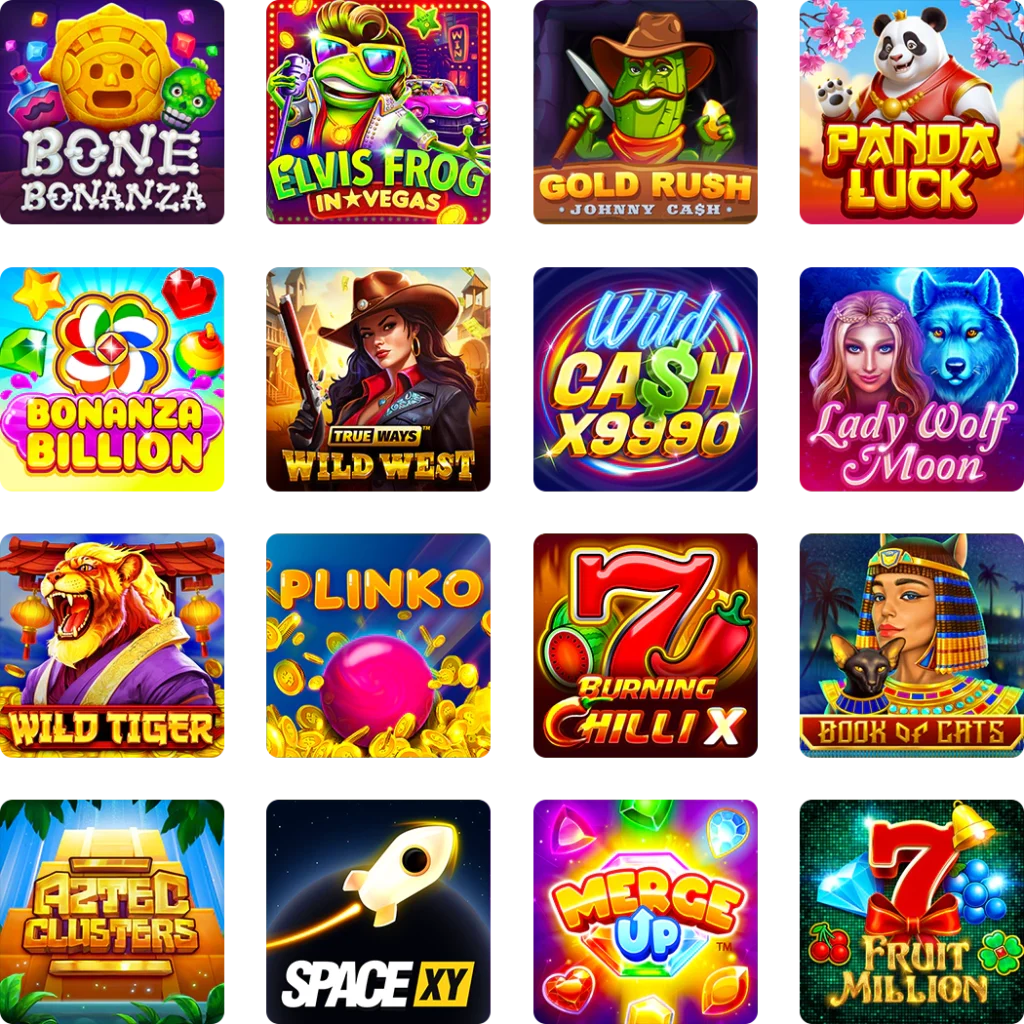
le bandit slot

Poznaj szczegóły le bandit automat w naszym FAQ

Czym są automaty online i jak działają?

Automaty online to cyfrowe wersje klasycznych slotów, które opierają się na generatorze liczb losowych (RNG). Gracz obstawia zakład, uruchamia bębny, a wynik każdego spin jest całkowicie losowy, co zapewnia uczciwość i nieprzewidywalność rozgrywki.

Co to są linie wypłat (paylines) i jak wpływają na wygrane?

Linie wypłat to ścieżki na bębnach, wzdłuż których muszą ułożyć się symbole, aby utworzyć wygrywającą kombinację. Mogą być poziome, ukośne lub zygzakowate, a ich liczba i kształt determinują częstotliwość i wielkość wygranych.

Czym jest zmienność (volatility) i jak wpływa na grę?

Zmienność określa poziom ryzyka w danym slocie. Automaty o niskiej zmienności dają częste, ale mniejsze wygrane, natomiast te o wysokiej zmienności oferują rzadsze, ale znacznie większe wypłaty, co jest idealne dla graczy szukających większych emocji.

Co oznacza RTP i dlaczego jest ważne?

RTP (Return to Player) to teoretyczny procent wszystkich postawionych środków, które automat zwraca graczom w długim okresie. Przykładowo, RTP na poziomie 96% oznacza, że średnio gracz odzyskuje 96 zł z każdych postawionych 100 zł, dlatego warto wybierać sloty z wysokim RTP.

aviator slot — przegląd dostawców oprogramowania | aviator slot

Jakie są najpopularniejsze funkcje bonusowe w slotach?

Do najczęstszych funkcji bonusowych należą darmowe spiny, mnożniki wygranych, dzikie symbole (wild), scattere oraz rundy bonusowe z dodatkowymi nagrodami. Te elementy zwiększają szanse na wygraną i urozmaicają rozgrywkę, przyciągając graczy do konkretnych tytułów.

Czym są jackpoty progresywne i jak je wygrać?

Jackpoty progresywne to kumulujące się puli nagród, które rosną z każdym postawionym zakładem przez wszystkich graczy w danej sieci. Aby je wygrać, najczęściej trzeba trafić określoną kombinację symboli przy maksymalnym zakładzie, co daje szansę na ogromne, życiowe wygrane.

Kto tworzy oprogramowanie do automatów online?

Najbardziej znani dostawcy oprogramowania to NetEnt, Microgaming, Play’n GO, Pragmatic Play czy Yggdrasil. Ich gry cechują się wysoką jakością grafiki, innowacyjnymi funkcjami oraz uczciwością, co gwarantuje bezpieczną i satysfakcjonującą rozgrywkę.

le bandit slot zapewnia całodobowe wsparcie techniczne w języku polskim.

Narzędzia samowykluczenia dla graczy slotów online

Hazard to wyłącznie rozrywka dla osób pełnoletnich. Pamiętaj, że w Polsce obowiązuje zakaz udziału w grach hazardowych online poza kasynami stacjonarnymi i platformami licencjonowanymi przez Ministerstwo Finansów. Jeśli czujesz, że tracisz kontrolę nad swoją grą, skorzystaj z narzędzi samowykluczenia oferowanych przez operatorów lub z systemu rejestru osób wykluczonych. Ustal z góry limity czasu i pieniędzy, graj wyłącznie dla przyjemności, a nigdy nie próbuj odgrywać się za przegrane. Bezpłatną pomoc znajdziesz w Ogólnopolskim Telefonie Zaufania Uzależnień Behawioralnych pod numerem 801 889 880.

O autorze: . Piotr, z 12-letnim stażem w recenzowaniu automatów i gier stołowych, dostarcza szczegółowych testów oprogramowania, RTP i funkcji bonusowych dla polskich graczy.


le bandit slot — ranking automatów 2026

le bandit slot w polskich kasynach online to prawdziwy fenomen ostatnich lat. Wygodny dostęp z poziomu przeglądarki lub aplikacji sprawia, że gracze mogą cieszyć się ulubionymi slotami w dowolnym miejscu i czasie.

ruletka na zywo 2026 — ruletka na zywo legalna
free spins total casino — ekskluzywne promocje | spins total casino
ruletka na zywo 2026 — najlepsze strategie

Eksperci zwracają uwagę na rosnące znaczenie odpowiedzialnej gry oraz transparentnych zasad. Zanim jednak rozpoczniesz swoją przygodę, zapoznaj się z opiniami na temat le bandit automat, aby wybrać sprawdzone i bezpieczne rozwiązanie.

Zobacz też:

le bandit slot zasady — pierwszy krok do wygranej

The concept of purchasing a bonus is a nuanced transaction that extends far beyond a simple exchange of currency for an additional benefit. In the realm of consumer economics, a bonus is typically a value-added incentive designed to entice a purchase, reward loyalty, or differentiate a product from its competitors. When a consumer decides to buy a bonus, they are not merely acquiring an extra item or service; they are engaging in a calculated decision that weighs the perceived utility of the bonus against its cost, often within the context of a larger primary purchase. This phenomenon is particularly prevalent in industries such as retail, where buy-one-get-one-free offers, gift-with-purchase promotions, and loyalty point multipliers are common tactics. For instance, a cosmetics brand might offer a deluxe sample kit as a bonus for spending over a certain threshold, and the consumer who chooses to buy that bonus—either by increasing their cart size or paying a nominal fee—is making a strategic choice to maximize their overall satisfaction. The psychology behind this is fascinating: the bonus creates a sense of urgency and exclusivity, tapping into the fear of missing out (FOMO) and the desire for a good deal. Behavioral economists have studied how the framing of a bonus can alter its perceived value; a bonus that is presented as a limited-time offer or a member-exclusive perk often carries more weight than a perpetual add-on. Moreover, the decision to buy a bonus involves a trade-off analysis, where the consumer must consider opportunity costs—what else could that money buy? For example, a gamer might purchase a season pass that includes bonus in-game content, weighing the hours of entertainment against the price, while a frequent flyer might buy a lounge access bonus that enhances their travel experience. In the digital age, buying bonuses has become even more complex, with microtransactions in mobile games, premium subscription tiers with bonus features, and crowdfunding campaigns that offer tiered bonuses as rewards. Each of these scenarios requires a different evaluation framework. In gaming, a bonus might be a rare character skin that has no gameplay advantage but offers social status, whereas in finance, a bonus could be a higher interest rate on a savings account that provides tangible monetary returns. The act of buying a bonus also has implications for the seller; it allows businesses to segment their customer base, identify high-value consumers, and cultivate brand advocates. From a legal standpoint, buying a bonus often involves terms and conditions that govern its use, expiration, and transferability, adding a layer of complexity that consumers must navigate. For instance, a bonus offered as a gift card might have a limited validity period, or a bonus subscription might auto-renew at full price unless canceled. Understanding these nuances is crucial for consumers to avoid disappointment or hidden costs. Furthermore, the cultural context influences how bonuses are perceived; in some societies, haggling for a bonus is customary, while in others, it is seen as pushy. The rise of e-commerce has also introduced dynamic pricing and personalized bonuses, where the same product might have a different bonus based on the user’s browsing history or purchase patterns. This personalization can be both beneficial and concerning, as it raises questions about data privacy and fairness. Ultimately, buying a bonus is a microcosm of consumer behavior, reflecting broader trends in marketing, psychology, and technology. It is not just about the extra item; it is about the relationship between the buyer and the seller, the perceived value, and the emotional satisfaction of getting more for one’s money. Whether it is a free shipping threshold, a buy-one-get-one-half-off deal, or a bonus reward point multiplier, the decision to buy a bonus is a deliberate act that can enhance the overall purchase experience. However, it also requires a level of mindfulness, as not all bonuses are created equal. Some bonuses may be low-quality or irrelevant, leading to buyer’s remorse. Therefore, savvy consumers often research the bonus’s actual value, read reviews, and compare alternatives before committing. In conclusion, buying a bonus is a multifaceted decision that involves financial reasoning, psychological triggers, and strategic planning. It is a practice that is deeply embedded in modern commerce, and its significance cannot be overstated. As markets evolve and new forms of bonuses emerge—such as exclusive access to beta tests, limited-edition merchandise, or carbon offset credits—the concept of buying a bonus will continue to adapt, offering both opportunities and challenges for consumers and businesses alike. The next time you consider buying a bonus, remember that you are participating in a sophisticated dance of value creation and consumption, where every extra perk has a story, a cost, and a potential payoff that goes beyond the surface. To illustrate, consider a coffee shop that offers a loyalty card where the tenth purchase is free; the consumer who buys that bonus by purchasing nine coffees is not just paying for caffeine but investing in a future reward that fosters habit formation and brand attachment. Similarly, in the travel industry, a hotel might offer a room upgrade as a bonus for booking directly, and the traveler who buys that bonus by forgoing third-party discounts is choosing a more personalized experience over immediate savings. In the software sector, users often buy premium tiers that include bonus storage or advanced analytics, and the decision hinges on whether the extra features justify the recurring cost. Even in everyday grocery shopping, a buy-one-get-one-free bonus on a perishable item might lead to waste if the consumer cannot consume it in time, highlighting the need for practical consideration. The interplay between bonus design and consumer decision-making is also influenced by social proof; when a bonus is perceived as popular or endorsed by influencers, its appeal increases, as seen in limited-edition sneaker drops that include exclusive accessories. Additionally, the timing of a bonus can affect its attractiveness; a bonus offered during a holiday season or a major sale event may seem more valuable due to the festive context. From a business perspective, offering a bonus that is too generous might erode profit margins, while a bonus that is too modest might fail to motivate purchases, so companies must strike a delicate balance. The effectiveness of a bonus also depends on how clearly it is communicated; a poorly explained bonus can lead to confusion and distrust, while a transparent and straightforward bonus can enhance customer satisfaction. Furthermore, the rise of subscription boxes has popularized the concept of surprise bonuses, where the thrill of an unexpected extra item can boost customer retention and word-of-mouth marketing. In the realm of online gaming, loot boxes and seasonal battle passes offer random bonuses that tap into the excitement of chance, but they also raise ethical concerns about gambling-like mechanics. As consumers become more sophisticated, they increasingly demand that bonuses align with their values, such as sustainable packaging or charitable donations, which adds a moral dimension to the purchase decision. The legal landscape is also evolving, with regulations in some jurisdictions requiring clear disclosure of bonus terms to prevent deceptive practices. In summary, buying a bonus is not a trivial act but a complex interplay of economics, psychology, and social norms. It requires consumers to be vigilant and informed, and it challenges businesses to innovate ethically. The future of bonuses will likely see more integration with artificial intelligence, where bonuses are automatically tailored to individual preferences in real-time, making the purchase decision even more personalized and immediate. However, this also necessitates a robust framework for consumer protection and data security. Ultimately, the act of buying a bonus reflects our innate desire for value maximization, our susceptibility to clever marketing, and our ability to make rational choices within constraints. It is a testament to the ingenuity of commerce that something as simple as an extra item can carry so much weight, and it underscores the importance of thoughtful consumption in a world of endless offers.

najlepsze kasyno bitcoin 2026 — licencjonowane platformy

Przewodnik po grze w sloty: le bandit automat

Wybierz automat online od renomowanego dostawcy oprogramowania.

Zapoznaj się z tabelą wypłat, symbolami oraz liczbą bębnów i linii wypłat.

Ustal wielkość zakładu i liczbę aktywnych linii wypłat.

Sprawdź parametry gry: RTP, zmienność (volatility) oraz dostępne funkcje bonusowe.

Uruchom grę w trybie demo, aby poznać mechanikę bez ryzyka.

Zagraj na prawdziwe pieniądze, pamiętając o odpowiedzialnej grze i limitach.

Warunki Bonusowe dla Graczy Slotów

  • zł750 + 150 spinów
  • 20 darmowych spinów
  • zł750 za darmo
  • Obrót 40x
  • Wymóg 45x obrotu w 7 dni

Wizualizacja le bandit slot

le bandit slot

Poznaj szczegóły le bandit automat w naszym FAQ

Czym są automaty online i jak działają?

Automaty online to cyfrowe wersje klasycznych slotów, które opierają się na generatorze liczb losowych (RNG). Gracz obstawia zakład, uruchamia bębny, a wynik każdego spin jest całkowicie losowy, co zapewnia uczciwość i nieprzewidywalność rozgrywki.

Co to są linie wypłat (paylines) i jak wpływają na wygrane?

Linie wypłat to ścieżki na bębnach, wzdłuż których muszą ułożyć się symbole, aby utworzyć wygrywającą kombinację. Mogą być poziome, ukośne lub zygzakowate, a ich liczba i kształt determinują częstotliwość i wielkość wygranych.

Czym jest zmienność (volatility) i jak wpływa na grę?

Zmienność określa poziom ryzyka w danym slocie. Automaty o niskiej zmienności dają częste, ale mniejsze wygrane, natomiast te o wysokiej zmienności oferują rzadsze, ale znacznie większe wypłaty, co jest idealne dla graczy szukających większych emocji.

Co oznacza RTP i dlaczego jest ważne?

RTP (Return to Player) to teoretyczny procent wszystkich postawionych środków, które automat zwraca graczom w długim okresie. Przykładowo, RTP na poziomie 96% oznacza, że średnio gracz odzyskuje 96 zł z każdych postawionych 100 zł, dlatego warto wybierać sloty z wysokim RTP.

totolotek.pl — bezpieczne transakcje | totolotek.pl
ruletka online na pieniądze 2026 — ranking stołów

Jakie są najpopularniejsze funkcje bonusowe w slotach?

Do najczęstszych funkcji bonusowych należą darmowe spiny, mnożniki wygranych, dzikie symbole (wild), scattere oraz rundy bonusowe z dodatkowymi nagrodami. Te elementy zwiększają szanse na wygraną i urozmaicają rozgrywkę, przyciągając graczy do konkretnych tytułów.

Czym są jackpoty progresywne i jak je wygrać?

Jackpoty progresywne to kumulujące się puli nagród, które rosną z każdym postawionym zakładem przez wszystkich graczy w danej sieci. Aby je wygrać, najczęściej trzeba trafić określoną kombinację symboli przy maksymalnym zakładzie, co daje szansę na ogromne, życiowe wygrane.

Kto tworzy oprogramowanie do automatów online?

Najbardziej znani dostawcy oprogramowania to NetEnt, Microgaming, Play’n GO, Pragmatic Play czy Yggdrasil. Ich gry cechują się wysoką jakością grafiki, innowacyjnymi funkcjami oraz uczciwością, co gwarantuje bezpieczną i satysfakcjonującą rozgrywkę.

le bandit slot zapewnia całodobowe wsparcie techniczne w języku polskim.

Narzędzia samowykluczenia dla graczy slotów online

Hazard to wyłącznie rozrywka dla osób pełnoletnich. Pamiętaj, że w Polsce obowiązuje zakaz udziału w grach hazardowych online poza kasynami stacjonarnymi i platformami licencjonowanymi przez Ministerstwo Finansów. Jeśli czujesz, że tracisz kontrolę nad swoją grą, skorzystaj z narzędzi samowykluczenia oferowanych przez operatorów lub z systemu rejestru osób wykluczonych. Ustal z góry limity czasu i pieniędzy, graj wyłącznie dla przyjemności, a nigdy nie próbuj odgrywać się za przegrane. Bezpłatną pomoc znajdziesz w Ogólnopolskim Telefonie Zaufania Uzależnień Behawioralnych pod numerem 801 889 880.

O autorze: . Piotr, z 12-letnim stażem w recenzowaniu automatów i gier stołowych, dostarcza szczegółowych testów oprogramowania, RTP i funkcji bonusowych dla polskich graczy.


Image Newletter
Select the fields to be shown. Others will be hidden. Drag and drop to rearrange the order.
  • Image
  • SKU
  • Rating
  • Price
  • Stock
  • Availability
  • Add to cart
  • Description
  • Content
  • Weight
  • Dimensions
  • Additional information
Click outside to hide the comparison bar
Compare